
Arizona licensedDirect guidance from an Arizona-licensed mortgage professional.
duPont Lending is part of NEXA LendingCompany NMLS 1660690 · Personal NMLS 1767357Not affiliated with any government agency
Arizona investment property financing
Arizona DSCR Loans for Rental Property Investors
Evaluate an Arizona rental through its eligible cash flow, compare the full property payment, and review the details that can shape a business-purpose DSCR mortgage.
Mesa, Arizona office AZ Banker License BK-2006218 Personal NMLS 1767357
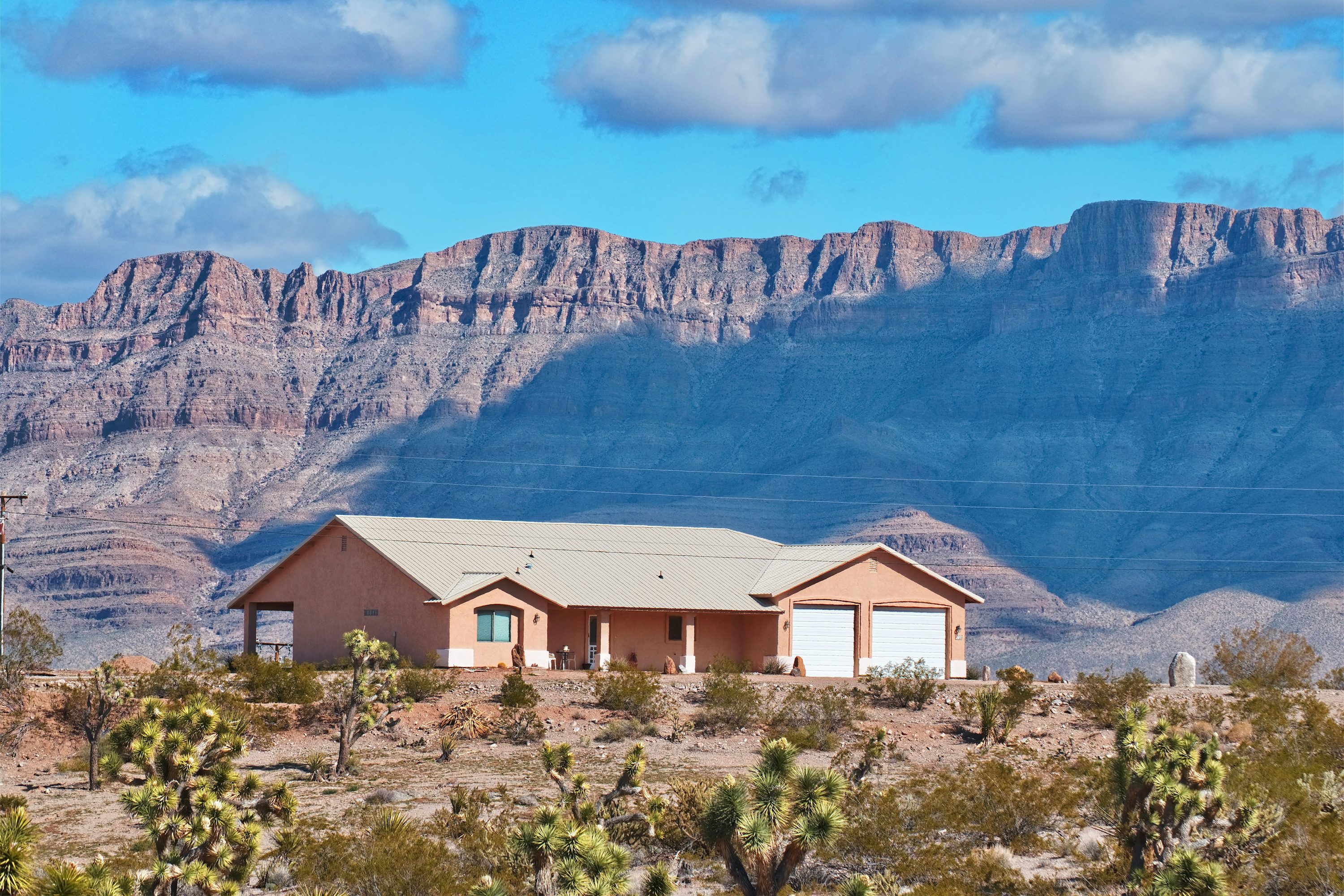
Property-focused mathStart with eligible rent divided by the complete housing obligation.
Local verificationCheck county registration, municipal rules, taxes, title, and insurance.
How the ratio works
Start with rent ÷ the complete property payment
A DSCR illustration commonly compares eligible gross monthly rent with principal, interest, taxes, insurance, and applicable association dues. The lender’s program and appraisal determine which rent figure and obligations are used.
Educational preview
Arizona DSCR calculator
Illustrated DSCR1.20x
The illustrated rent covers the estimated monthly housing obligation.
Arizona scenario review
Questions worth answering before you make an offer
DSCR is one number. A durable Arizona investment plan also needs a property-specific review of use, rent support, ownership, reserves, insurance, taxes, and local operating rules.
Long-term rental
Compare the existing lease or supported market rent with the full monthly housing obligation. Confirm vacancy, maintenance, management, and utilities separately from the lender’s DSCR ratio.
Short-term rental
Verify the program’s approved income method, then confirm state TPT, city or town permits, county rental registration, HOA rules, insurance, and advertising requirements before relying on nightly revenue.
Entity vesting
Some DSCR programs may permit eligible LLC or other entity vesting. Coordinate the mortgage, title, insurance, banking, legal, and tax details rather than forming an entity solely from online advice.
Purchase or refinance
Review the loan amount, down payment or equity, closing costs, reserves, cash-flow ratio, prepayment terms, and hold timeline together. Guidelines and availability can change.
Property-by-property planning
Arizona is not one rental market
A Phoenix-area single-family rental, a Tucson duplex, a Flagstaff vacation property, and a Lake Havasu second-home conversion can require very different rent support, insurance, association, permit, seasonal, and reserve assumptions.
Phoenix, Mesa, Chandler & the East ValleyCheck municipality-specific rental rules, HOA documents, county registration, heat-related operating costs, and complete market-rent support.
Tucson & Southern ArizonaMatch the property type and tenant strategy with realistic rent, insurance, tax, management, and maintenance assumptions.
Northern, mountain & vacation marketsStress-test seasonality, weather exposure, local short-term-rental rules, access, insurance, and association restrictions.
Use primary sources
Official Arizona resources for your property review
Rules change. These agencies are more reliable than a static lending page for current registration, tax, entity, and local permit requirements.
A practical next step
Bring the property story, not just the address
Define the use
Purchase or refinance, long-term or short-term rental, occupancy, property type, and intended vesting.
Estimate rent and PITIA
Use supported rent and a complete payment estimate that includes taxes, insurance, and association dues.
Review the full profile
Credit, liquidity, reserves, experience, value, title, entity documents, and property condition can affect available paths.
Complete underwriting
Only a complete application, appraisal, documentation review, and underwriting decision can establish approval and terms.
Arizona DSCR loan FAQ
Common investor questions
These answers are educational and intentionally avoid promising a fixed ratio, credit score, down payment, rate, leverage, or closing timeline.
What is a DSCR loan in Arizona?
A DSCR loan is an investment-property mortgage that evaluates eligible rental income against the property’s qualifying monthly housing obligation. The program is intended for business-purpose investment scenarios, not an owner-occupied Arizona home.
How is DSCR calculated for an Arizona rental property?
A common illustration divides eligible gross monthly rent by the property’s monthly principal, interest, taxes, insurance, and applicable association dues. The exact income and expense treatment depends on the program, appraisal, lease, property type, and transaction.
Can an Arizona DSCR loan be closed in an LLC?
Some DSCR programs permit eligible entity vesting, but requirements vary and personal guarantees may still apply. An investor should review entity, legal, tax, title, insurance, and banking questions with qualified professionals before choosing a structure.
Can a DSCR loan finance an Arizona short-term rental?
Some programs consider eligible short-term-rental properties, but the income method and property requirements vary. Before relying on projected nightly income, verify state tax obligations, city or town permits, county rental registration, HOA restrictions, insurance, and the lender’s approved income method.
Do I need to live in Arizona to finance an Arizona rental?
An out-of-state investor may be eligible for an Arizona investment-property loan. The property location, borrower profile, entity documents when applicable, assets, credit, valuation, rental support, and program rules still require review.
What documents are commonly reviewed for an Arizona DSCR scenario?
Common categories may include identification, credit authorization, asset and reserve evidence, purchase or payoff documents, entity records when applicable, insurance, title, an appraisal with eligible rent support, and an existing lease when the property is occupied. The final list depends on the complete scenario.
Discuss an Arizona rental scenario
See how the property cash flow fits the complete loan profile.
Share the property address, estimated rent, purchase or payoff details, and your intended timeline with Jeff duPont.
Educational information only. This page is not a loan approval, rate quote, commitment to lend, tax advice, legal advice, or investment advice. DSCR programs are generally business-purpose financing for non-owner-occupied investment properties. Program availability, guidelines, pricing, ratios, reserves, prepayment terms, documentation, property eligibility, and income treatment vary and can change. All loans are subject to application, credit approval, acceptable appraisal, title, insurance, and underwriting. Verify current Arizona and local requirements with the appropriate agencies and qualified professionals.